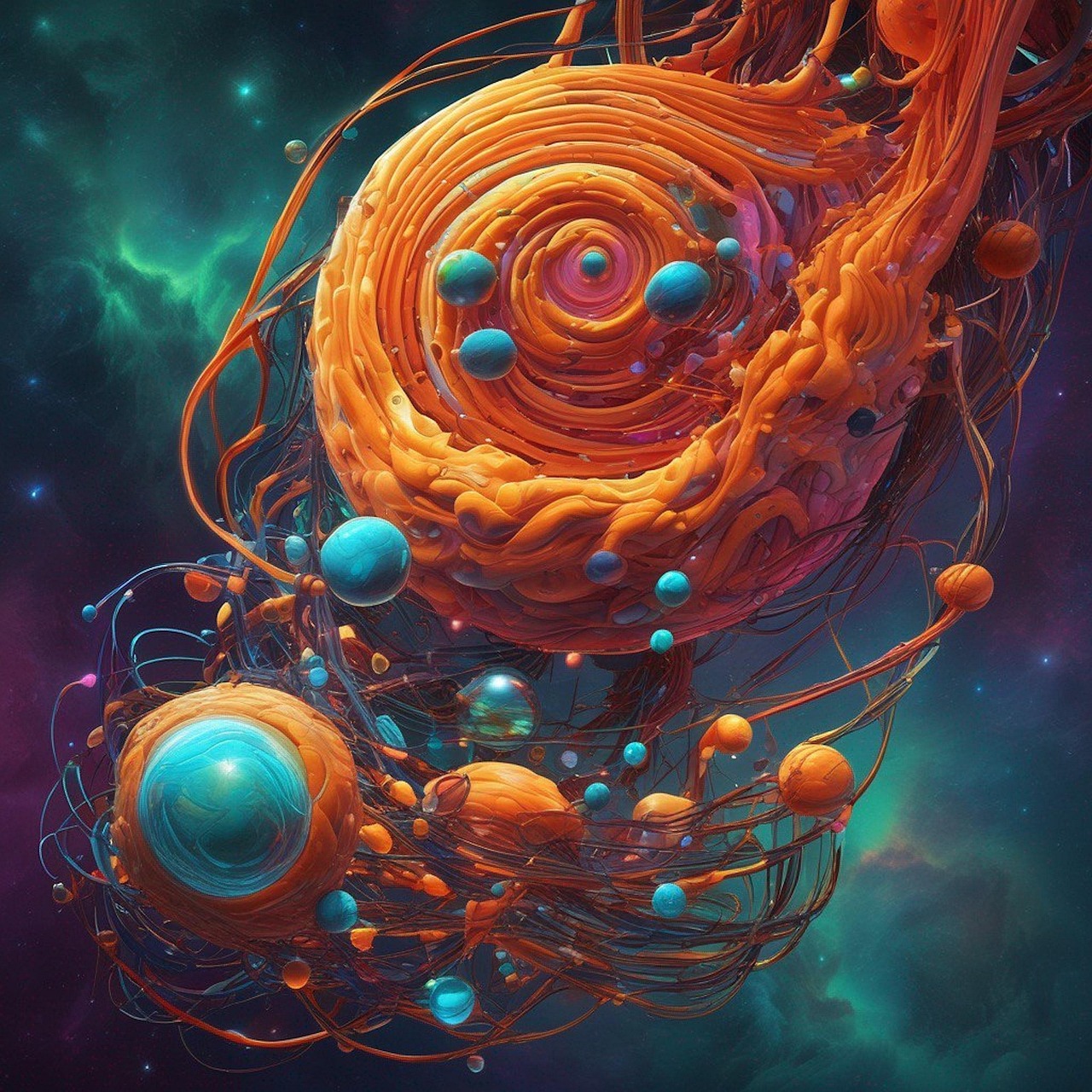
Imagine a 3-D immersive environment where planetary intelligence is displayed in different domains that are likevisual markers shown unfolding dynamically, similar to the Climate Clock (https://climateclock.world). In each domain, the information can be displayed at multiple scales where it is available. Individuals walking around can focus on particular domains (e.g., water, soil, albedo factor, public health, etc.) but inside an overall graphical rendition of the state of the planet’s ecosystems. Can you create static visualizations of what this might look like, showing several different styles?
Below are static visualization concepts that approximate what a 3-D, immersive planetary intelligence environmentcould look like if rendered as still images. Each style represents a different design philosophy and technical pathway. These are not literal screenshots of a single system; they are visual languages you could hand to designers, Unity/Unreal developers, or data-viz teams as reference points.
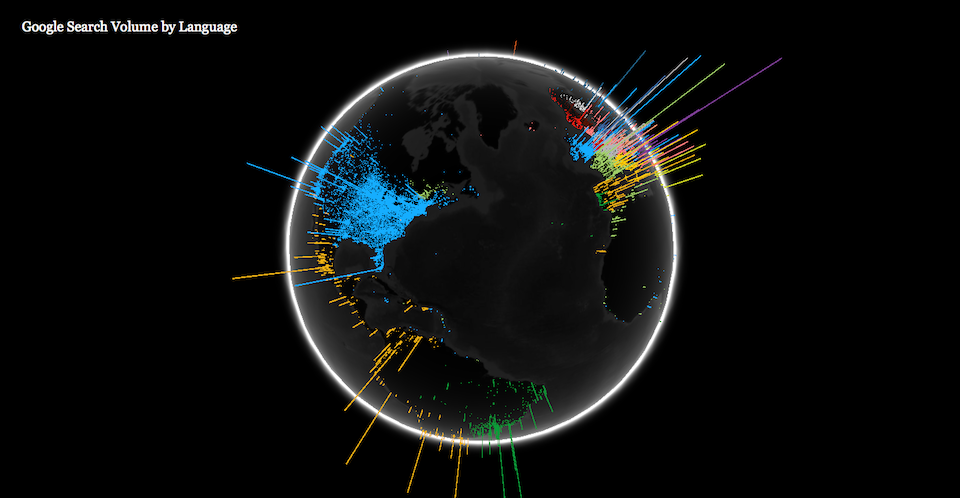
Style 1: Planetary Systems Halo (Orbital + Volumetric)
The planet as a living core, with intelligence expressed as surrounding fields


Visual logic
- Earth sits at the center as a semi-transparent sphere.
- Domains (water, soil, atmosphere, biosphere, health, energy) appear as orbital halos or volumetric shells.
- Each halo pulses, thickens, fragments, or brightens based on real-time indicators.
- Temporal change is shown through slow rotation, breathing, or wave propagation.
Multi-scale interaction
- Step closer → regional resolution appears.
- Lean in further → watershed, biome, or urban indicators resolve.
- Step back → planetary coherence and imbalance become legible.
Best for
- Museum installations
- Planetariums
- Flagship “state of the planet” experiences
- Communicating interconnectedness and thresholds
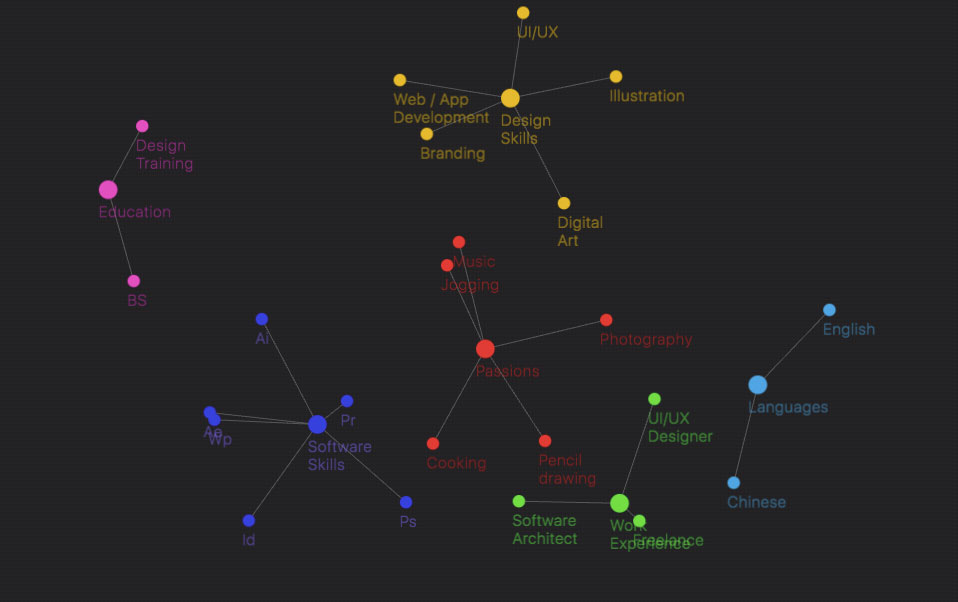
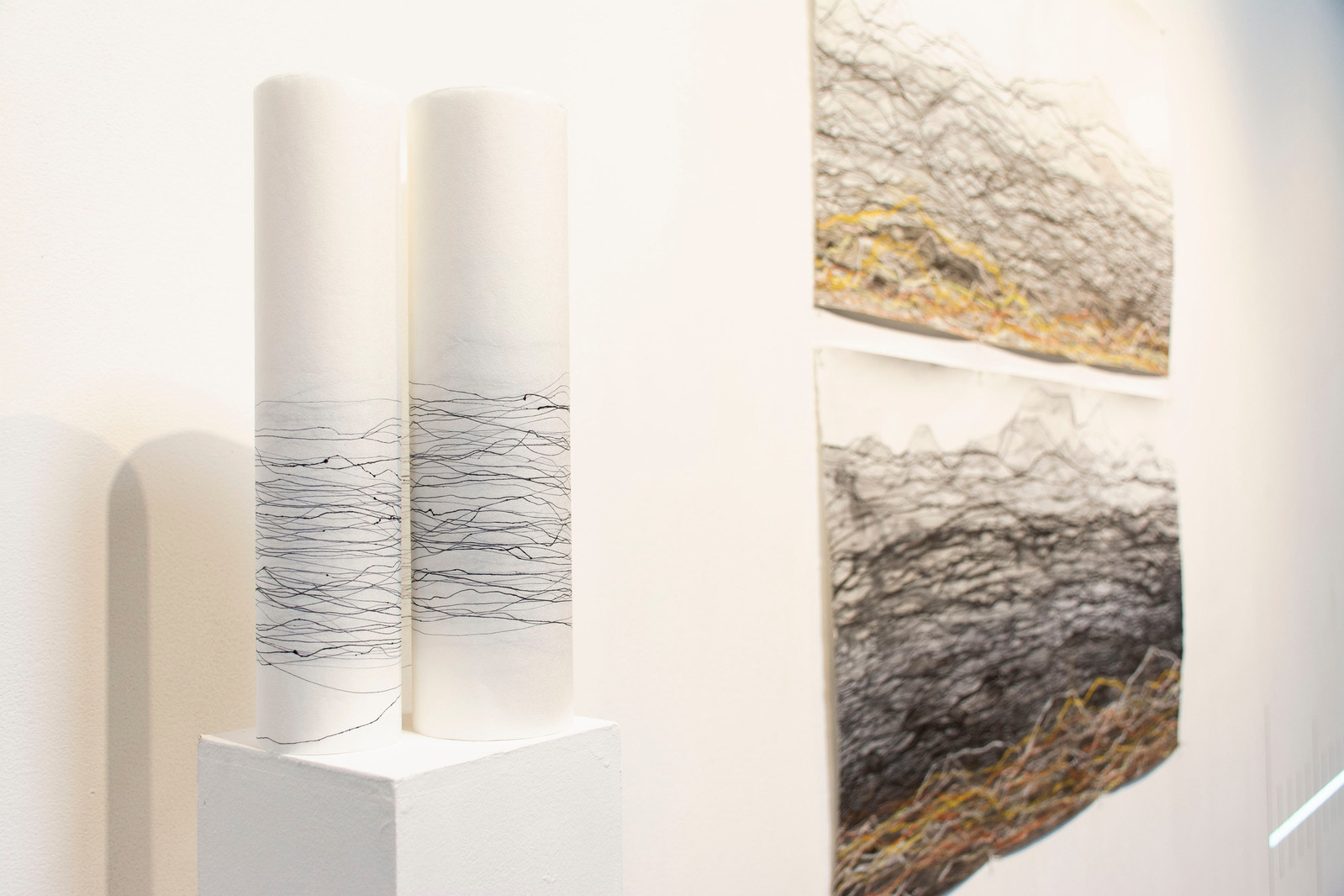
Style 2: Domain Constellations (Walkable Knowledge Space)
Planetary intelligence as a navigable landscape of domains


Visual logic
- Each domain is a constellation of markers floating in space.
- Markers represent indicators (e.g., nitrate levels, heat stress days, PM2.5).
- Lines or light-flows connect indicators with causal or correlative relationships.
- The planet may appear faintly as a contextual backdrop or horizon.
Multi-scale interaction
- Distant view: abstract constellations and pattern recognition.
- Mid-range: clusters resolve into regions or systems.
- Close-up: single indicators show provenance, methods, uncertainty.
Best for
- Research labs
- Universities
- Deliberation spaces
- Collaborative sensemaking and education
Style 3: Living Dashboard Room (Architectural + Human-Scale)
Planetary intelligence as a civic interface


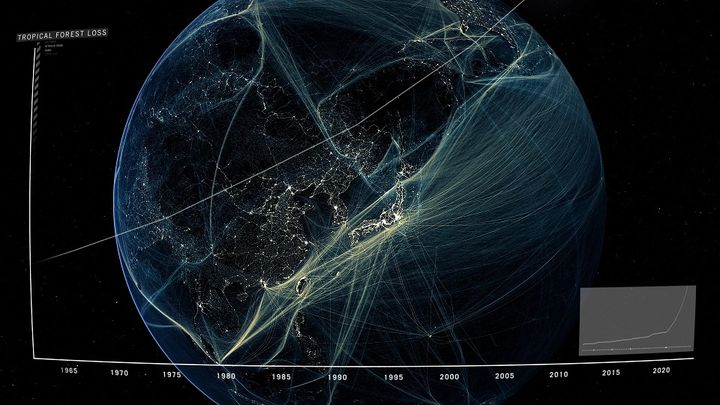

Visual logic
- A circular or amphitheater-like room.
- Curved walls display different planetary domains.
- Floor or ceiling projections show cross-domain synthesis (e.g., planetary boundaries).
- Human silhouettes are visible for scale and embodiment.
Multi-scale interaction
- Gesture or gaze selects a domain wall.
- Panels zoom from global → bioregional → local → sensor.
- Scenario levers appear as tangible controls (sliders, rings, dials).
Best for
- Policy simulations
- Civic planning
- Scenario rooms (your “what-if” levers)
- Public engagement and governance
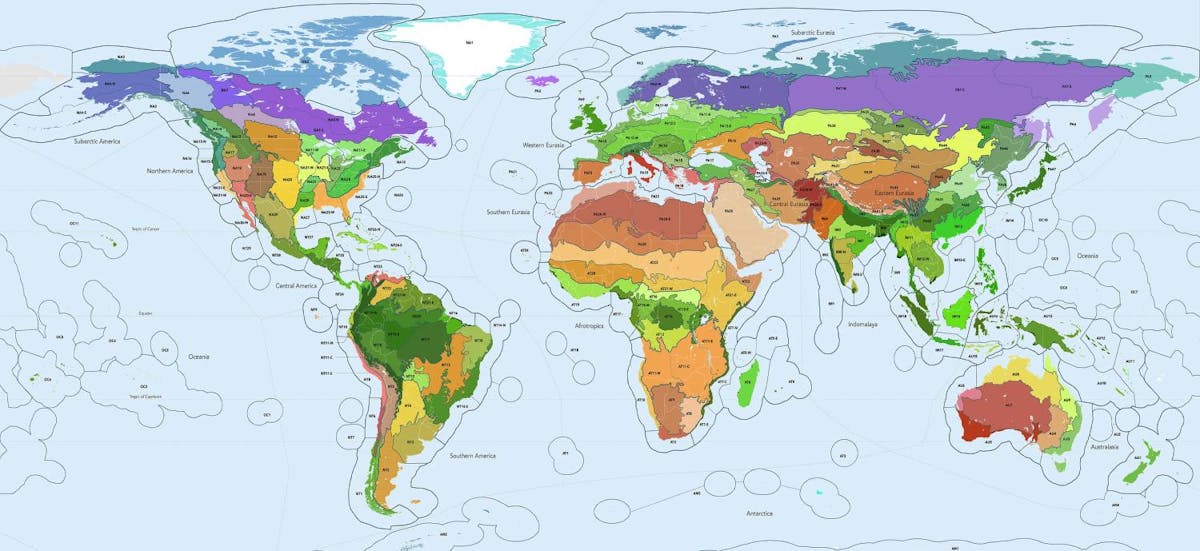
Style 4: Bioregional Overlays (Planet → Place)
Planetary intelligence grounded in lived geography
Visual logic
- The planet dissolves into nested bioregions.
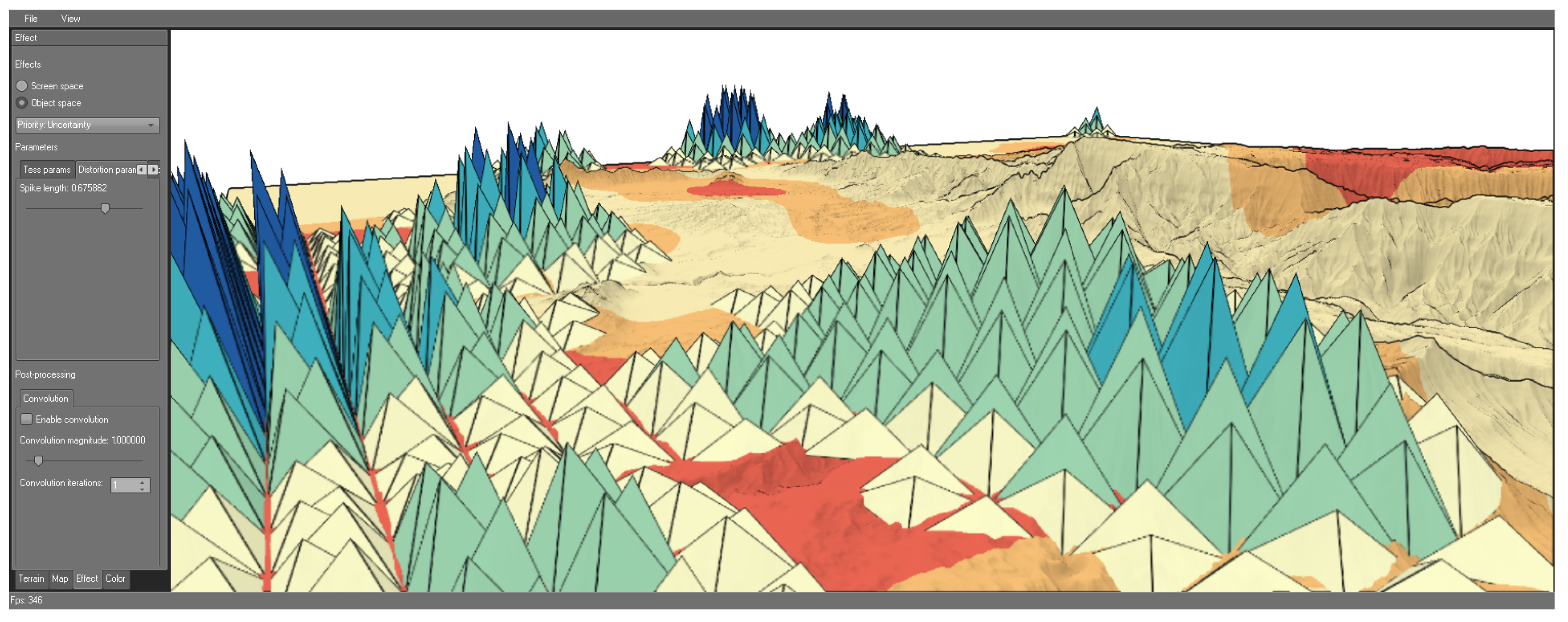
- Watersheds, coastlines, soil zones, and human settlements rise as topography.
- Data appears embedded in the land (color, texture, motion).
Multi-scale interaction
- Fly above the planet.
- Descend into a continent, watershed, city.
- Walk inside a floodplain, forest, or neighborhood.
Best for
- Bioregional intelligence pilots (e.g., Genesee–Finger Lakes)
- Indigenous land-based knowledge integration
- Place-based stewardship narratives
Cross-Cutting Design Principles (important)
Regardless of style, a planetary intelligence environment should visibly encode:
- Scale awareness – global ↔ bioregional ↔ local ↔ personal
- Uncertainty & confidence – fuzziness, transparency, error bands
- Causality & feedback – flows, arrows, lag indicators
- Stewardship metadata – source, method, steward always accessible
- Human presence – bodies in space, not just abstract data
Next logical step (if you want to proceed)
If useful, I can:
- Produce AI-generated concept images in a consistent visual style
- Translate one style into a Unity / Unreal / WebXR design brief
- Map this directly onto a Planetary or Bioregional Intelligence MVP (dashboard → scenario room → deliberation interface)
- Create a one-page visual explainer suitable for funders, museums, or partners
If you want to choose just one style to develop first, say which one and for what setting (museum, lab, public square, online immersive space).